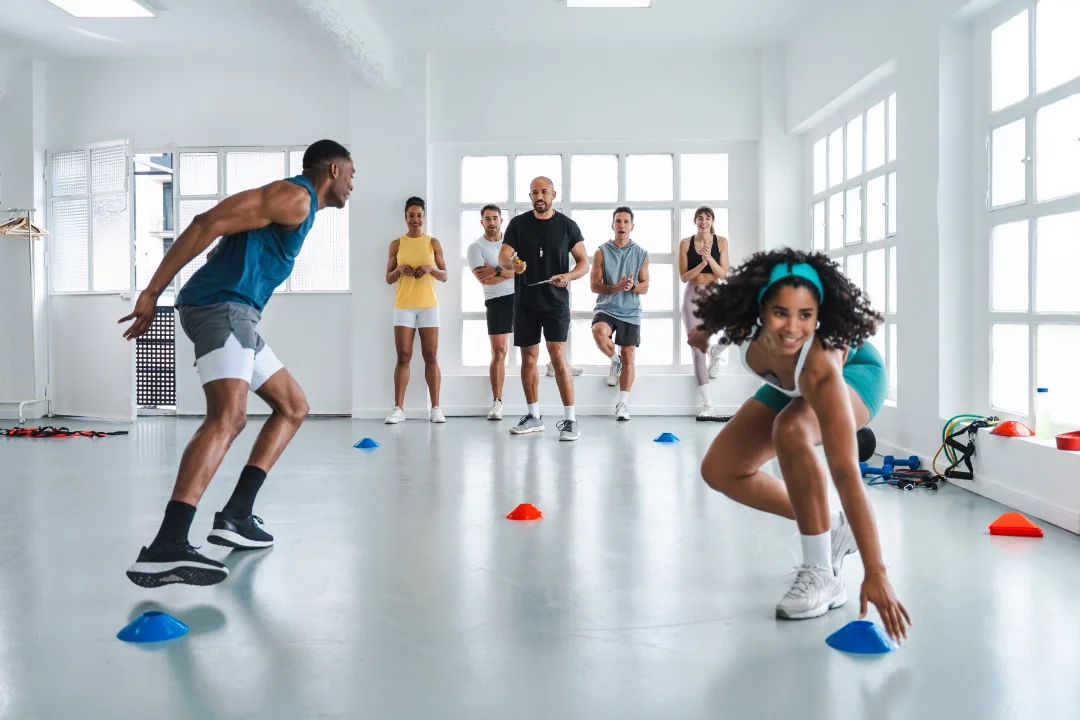
Are Modern Gyms Making Us More Isolated?

England is becoming more active than ever.
According to the latest data from the Sport England Active Lives Adult Survey, 30.9 million adults are now meeting recommended physical activity guidelines. On the surface, that sounds like a huge positive, but underneath those statistics, something else is changing too.
Traditional team sports participation among men has declined over the last decade, while solo forms of fitness — gym training, weightlifting, running, hybrid training, and app-based workouts — continue to rise. Fitness is growing, but community-based exercise may be shrinking and it raises an interesting question; as fitness becomes more individual, are we accidentally becoming more isolated, too?
The Rise of the Solo Workout
For many people, training alone genuinely works because it offers freedom. You can train when you want, focus on your own goals, and switch off from the outside world for an hour. For some men, especially, the gym becomes one of the few places where life slows down enough to think clearly.

Why Solo Training Feels So Rewarding
When you train alone, there’s no team to rely on and no audience watching. You’re forced to become more connected to your own body, your breathing, your effort levels, your movement quality, and your mindset.
Psychologists often refer to this as developing an internal locus of control. Instead of relying on external validation, motivation comes from internal progress and personal discipline.
For many people, that creates:
stronger self-belief
greater independence
improved long-term consistency
The reward becomes deeply personal. In many ways, solo training has also become a physical version of “deep work.” For an hour, the only thing someone has to manage is their movement, breathing, and effort levels.
In a world built around constant notifications, noise, and overstimulation, that kind of mental space can feel incredibly valuable.
Why Solo Training Can Feel Mentally Comforting
There’s also a conditioning effect that happens over time. If someone consistently trains alone and leaves the gym feeling calmer, clearer, or emotionally lifted, the brain starts associating solitude with that positive feeling. Over time, solo exercise can become psychologically comforting because it repeatedly triggers:
endorphins
dopamine
serotonin
For many people, that solitude can feel restorative.
The Long-Term Benefits of Solo Exercise
Interestingly, research around ageing also supports the value of solo exercise.
Studies have found that older adults who exercise alone consistently can still experience strong neuroprotective benefits, including a lower risk of cognitive decline. That’s important because it shows the benefits of movement aren’t purely social. Exercise itself, even independently, still plays a major role in long-term brain health and well-being.
The Difference Between Solitude and Isolation
There’s an important difference between choosing solitude and withdrawing from connection entirely.
For many people, solo fitness acts as a healthy form of regulation, a chance to temporarily disconnect from pressure and focus entirely on themselves, but humans are naturally social creatures too.
Research around group exercise and community activity suggests people often benefit from:
shared accountability
encouragement
routine
social buffering during stress
Some theories around “social facilitation” even suggest people are capable of pushing themselves harder in the presence of others than they would alone.
Historically, movement rarely happened entirely in isolation. Exercise was often tied to sports clubs, physical work, competition, martial arts, and community identity.
That doesn’t necessarily mean solo fitness is unhealthy, but it may explain why many people eventually begin looking for a balance between independence and connection in the way they train.
What Happens When Exercise Becomes Less Social?
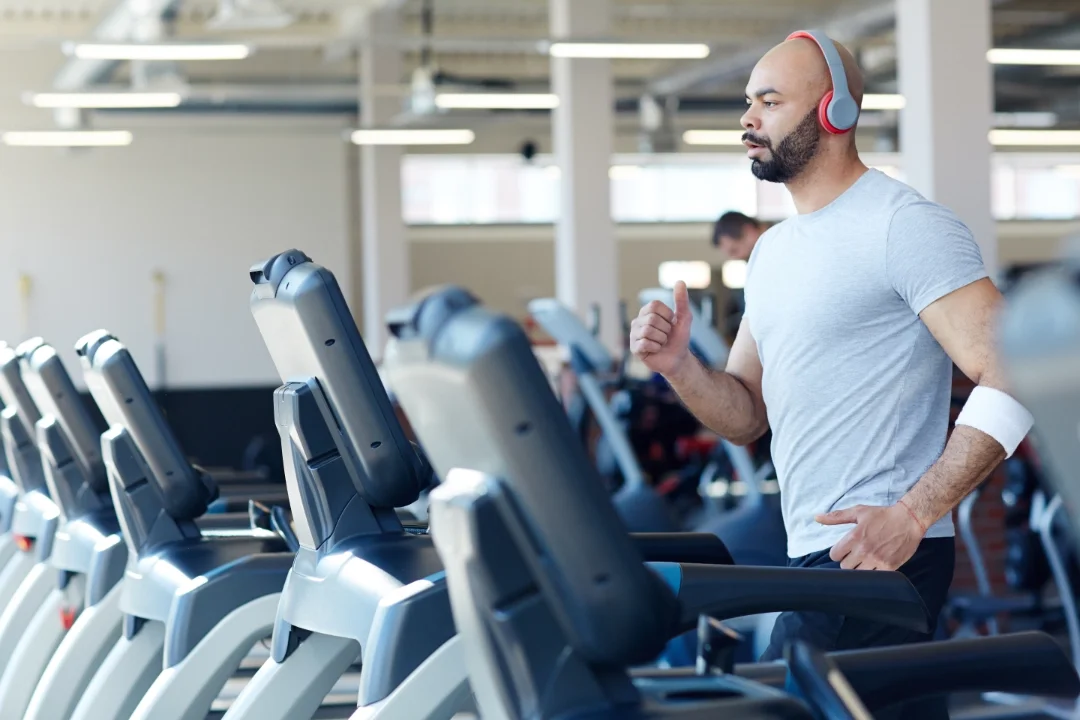
We’ve mentioned that exercise wasn’t always something we did alone. Now compare that to the modern commercial gym experience. Headphones on, minimal interaction, quick session, then straight back out the door. You can spend an hour surrounded by people while barely speaking to anyone.
That doesn’t automatically mean something is wrong. Plenty of people prefer it that way.
For men especially, structured activity has traditionally been one of the main ways friendships were maintained in adulthood. Many men don’t openly seek social connections; they usually form them by doing something together.
When those environments disappear, sometimes the connection disappears with them, but at the same time, this probably isn’t as simple as saying solo fitness is either helping or harming people.
Maybe It’s Bigger Than Fitness
The interesting thing about this topic is that solo fitness itself isn’t necessarily the issue. It’s often more about the life someone lives outside of the gym.
In many ways, training alone can be incredibly healthy.

Take a parent, nurse, or even a personal trainer, for example.
They can be in busy, sometimes stressful environments, constantly surrounded by noise, people and pressure. An hour alone in the gym may genuinely improve their mental well-being. Their solo gym session could be the only quiet space they get all day, and their only chance to mentally reset without conversation, pressure, or emotional demand.
At the same time, there are also people whose lives have become increasingly isolated outside the gym. With the rise of remote working, and with many people never fully returning to the workplace after the pandemic, daily social interaction has quietly reduced for a lot of adults. For them, training in complete isolation might unintentionally remove one of the few opportunities they have for real-world social connection. Especially when you take into account online entertainment, food delivery apps, digital communication and streaming platforms.
Modern life has quietly removed many of the small social interactions people used to experience daily.
So when fitness also becomes increasingly individual, it naturally raises questions about what role movement now plays in an individual’s wider wellbeing.

Maybe exercise isn’t just about fitness anymore. For some people, it provides structure, routine, emotional regulation, identity, and even social connection. Depending on the person, the same solo workout could either feel grounding or isolating.
That’s what makes the discussion interesting.
Not whether solo fitness is “good” or “bad,” but whether modern fitness is now serving psychological needs that go far beyond physical health.
Why This Matters for Personal Trainers and Sports Massage Therapists
For people working in fitness, this shift matters more than ever.
Because clients today often aren’t just looking for workouts, meal plans, or somewhere to burn calories anymore. Increasingly, people are turning to fitness because they’re looking for structure, confidence, routine, stress relief, and sometimes even connection.
That doesn’t mean Personal Trainers or Sports Massage Therapists are replacing mental health professionals, but it does mean the role of fitness professionals is evolving.
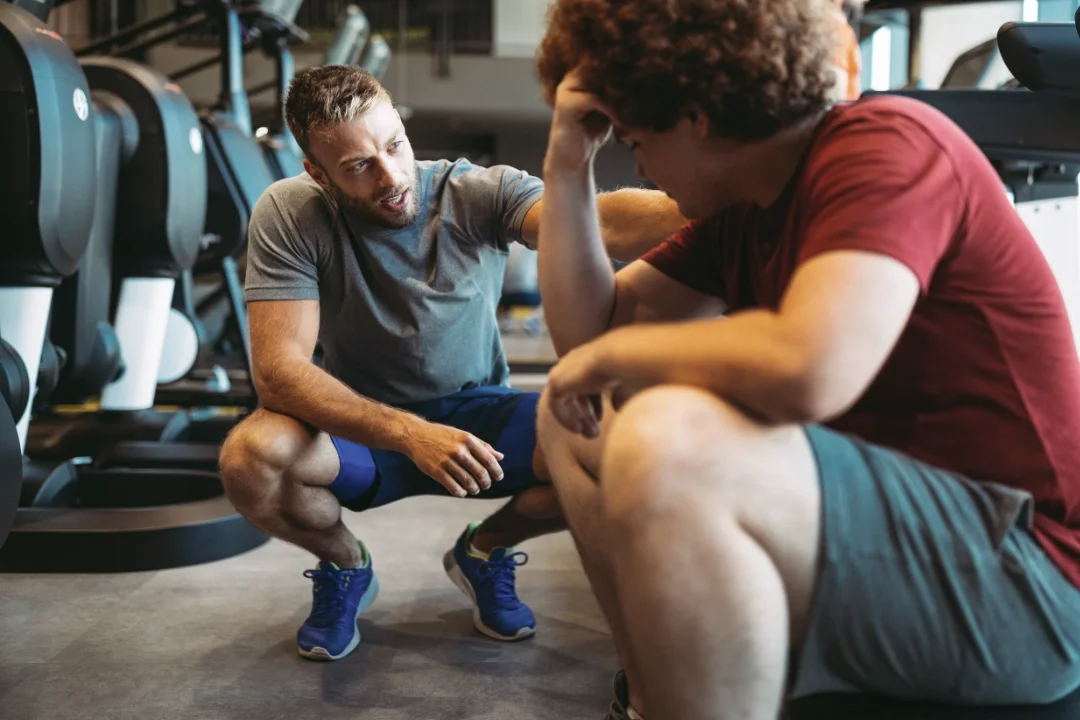
A good coach today often needs more than technical knowledge alone. Yes, understanding anatomy, programme design, and exercise technique still matters massively, but so does the ability to communicate properly, build trust, and create an environment where people actually feel comfortable showing up consistently.
A client who works remotely, lives alone, or struggles with confidence may not just be paying for a workout. They may be paying for accountability, encouragement, structure, and human interaction, even if they never openly say it.
The same applies to Sports Massage Therapists too. Sometimes a client initially books because of tight shoulders, back pain, or recovery from training, but what keeps them coming back is feeling listened to, understood, and supported. In many ways, the relationship people build with health and fitness professionals has become more human and holistic than ever before.
And honestly, this is where many modern coaches separate themselves from generic online programmes and fitness apps.
People can now get workouts almost anywhere, through apps, AI tools, social media, and online programmes. What technology still struggles to replace is human understanding.
That’s why soft skills like communication, empathy, professionalism, and emotional awareness are becoming increasingly valuable within the fitness industry.
As a personal trainer or Sports Massage Therapist, simply being aware of this shift can help you coach people more effectively. For example, that could mean:
recognising when a client may need encouragement rather than intensity
creating small group environments where members naturally interact
remembering personal details about clients to build rapport
encouraging community-driven activities like run clubs or gym events
understanding that consistency is sometimes a bigger win than perfection

Sometimes the biggest impact a coach has on a client isn’t the programme itself.
It’s helping someone rebuild confidence in themselves, feel part of something again, or simply giving them an hour each week where they feel better leaving than they did walking in. Perhaps that’s why the industry is changing too.
Modern fitness professionals are no longer just teaching exercise.
Increasingly, they’re helping people navigate stress, routine, confidence, wellbeing, and connection through movement.
So Where Does Fitness Go From Here?
The latest fitness trends show that people are moving more than ever before, but maybe the more interesting shift is why people are exercising in the first place.
For many people, movement has become something much deeper than physical progress alone. It can provide stress relief, confidence, structure, escapism, and sometimes even a sense of connection.
The latest Active Lives data suggests this overlap between fitness, wellbeing, and community may only continue growing. It may also explain why community-driven fitness appears to be growing again, too, even while broader participation trends suggest traditional team exercise is stagnating.
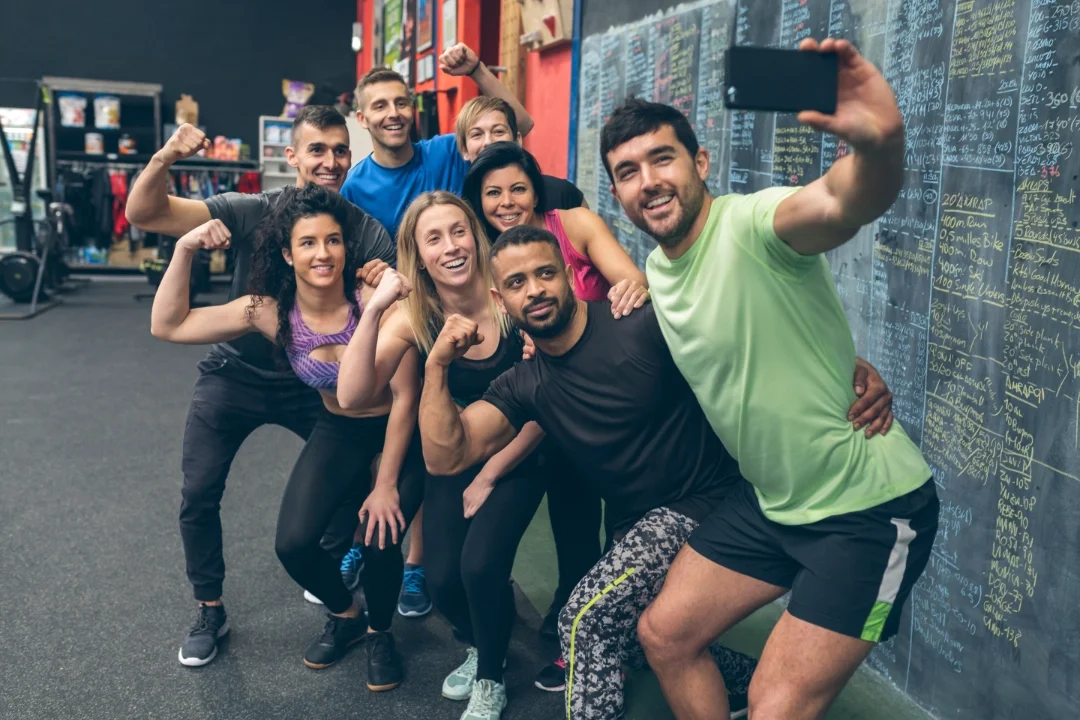
We’ve personally noticed a rise in:
running clubs
HYROX groups
boxing clubs
walking football
community gym events
Maybe people are looking for more than just exercise. Maybe they’re looking for routine, accountability, belonging, confidence or connection.
Perhaps that’s the real takeaway from all of this. Not that solo fitness is “good” or “bad”, but that movement now plays a much bigger role in people’s lives than simply improving physical health.
Ultimately, whether someone trains alone in silence, joins a packed run club, or spends an hour talking to their coach between sets, fitness is no longer just about exercise. For many people, it’s become part of how they manage modern life.