Why Understanding Female Clients Makes You a Better Personal Trainer
“I've come to realise throughout my career is that qualifying as a personal trainer is only the beginning of the learning process.”
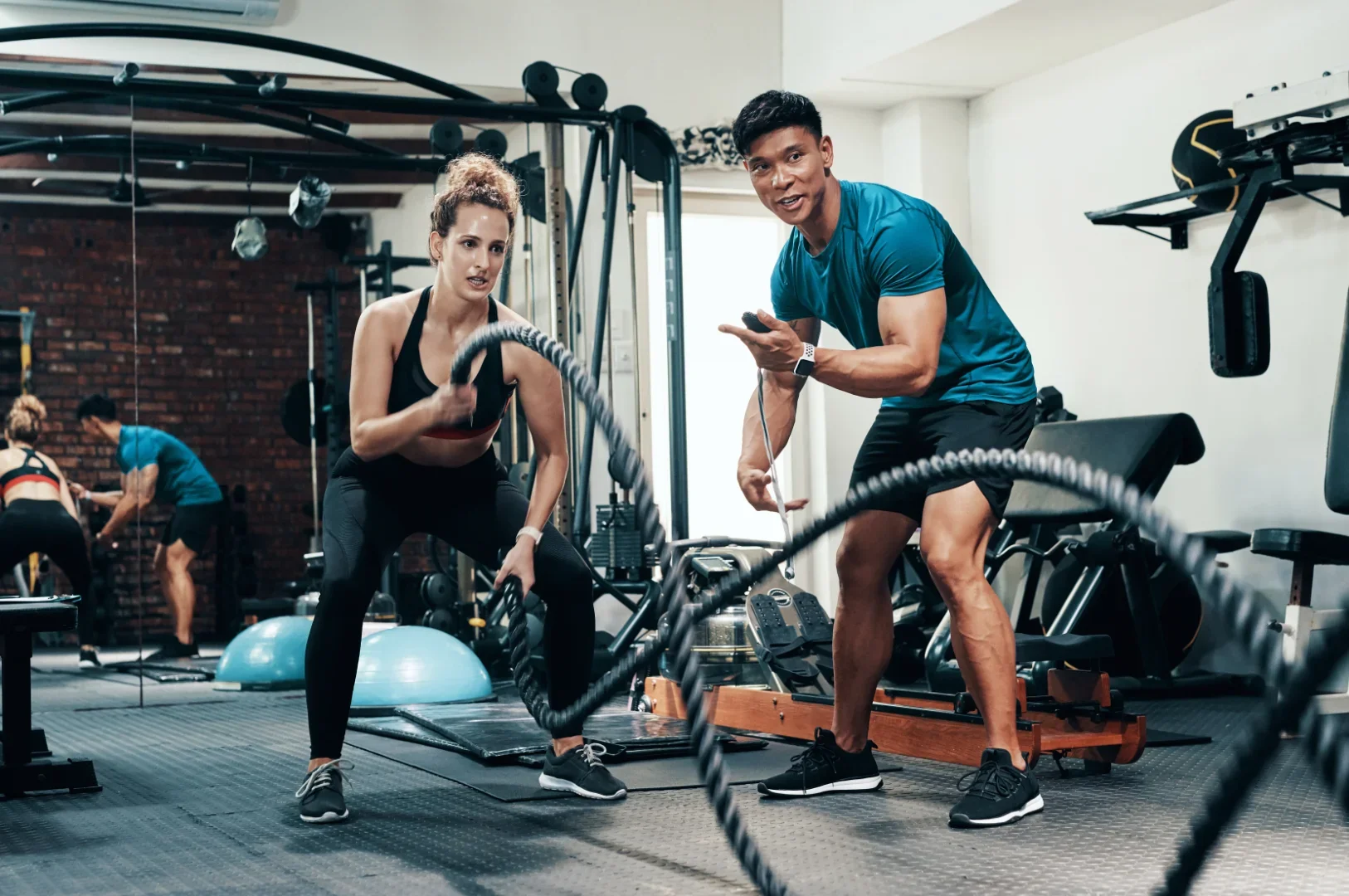
As personal trainers, we spend a lot of time learning about anatomy, physiology, programme design and coaching techniques. Those foundations are essential, but one thing I've come to realise throughout my career is that qualifying as a personal trainer is only the beginning of the learning process.
Over the years, I've had the privilege of working with clients from a wide range of backgrounds and, more recently, educating the next generation of personal trainers. Looking back, one of the biggest areas in which my own understanding has developed has been coaching female clients.
Not because the principles of coaching are different, but because my understanding of the factors that can influence a woman's training journey has grown significantly.
Understanding female clients isn't a niche skill. It's an essential part of becoming a better coach.
The Industry Has Changed. Our Coaching Needs to Change With It.
The fitness industry has changed dramatically over the last decade.
More women than ever are embracing resistance training, entering strength sports, taking on endurance events and training to become stronger, fitter and more confident, rather than simply focusing on aesthetics.
At the same time, research into female physiology has expanded considerably. Historically, women were underrepresented in exercise science research, meaning many coaching practices were developed using predominantly male participants. More recent research has begun to address that imbalance, providing coaches with a greater understanding of female physiology and how it may influence training, recovery, and long-term health (Colenso-Semple et al., 2023; Corson et al., 2024).
Our understanding is consistently evolving, and that's exactly how it should be.
As coaches, we have a responsibility to evolve alongside the evidence. Not because everything we once knew was wrong, but because every new piece of research helps us better understand the people we're coaching.
Understanding Doesn't Mean Treating Women Differently
Whenever this topic comes up, I think it's important to clarify one thing.
Understanding female clients isn't about creating a completely different set of coaching principles.
The fundamentals of good coaching remain exactly the same.
Listen to your client.
Understand their goals.
Build trust.
Create an appropriate programme.
Review progress.
Adapt when necessary.
Those principles don't change.
What does change is our understanding of the factors that may influence how a female client responds to training.
There will never be a one-size-fits-all approach to coaching anyone. Every client arrives with different goals, different lifestyles, different experiences and different barriers. Female clients are no different.
Understanding female-specific considerations simply gives us more information to make better coaching decisions when those considerations become relevant.
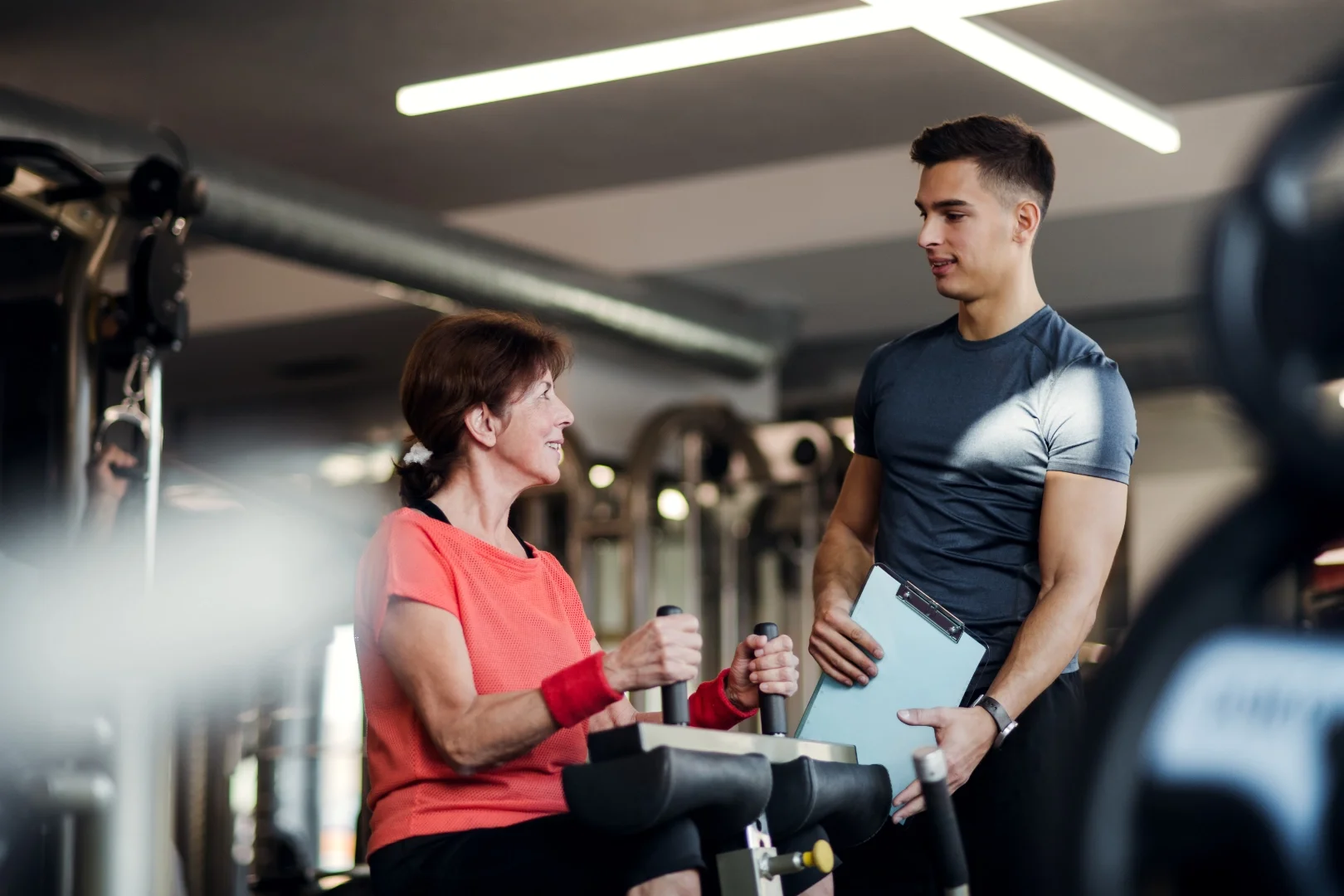
The Conversations That Matter
Looking back at the start of my career, there were conversations I simply wasn't comfortable having.
As a male coach, I worried about saying the wrong thing or making a client feel uncomfortable.
Looking back now, I realise that wasn't because I was male.
It was because I lacked the knowledge and confidence to navigate those conversations professionally.
At that stage in my career, I simply wasn't equipped to confidently discuss topics such as:
the menstrual cycle
hormonal fluctuations and their potential impact on training
menstrual symptoms
training around different phases of the cycle
peri-menopause and menopause
the importance of resistance training for women's long-term health
Rather than addressing these conversations confidently, I would often avoid them because I didn't feel I had enough knowledge to provide meaningful guidance.
As I continued to develop professionally, those conversations became far less intimidating.
Not because I suddenly had all the answers, but because I understood enough to ask better questions, listen to my clients' experiences and adapt my coaching where appropriate.
That's one of the biggest knowledge gaps I now see in newly qualified trainers.
It isn't a lack of passion.
It isn't a lack of willingness to help people.
It's simply a lack of exposure to topics that many initial qualifications can only introduce at a foundational level.
What My Clients Have Taught Me
Some of the most valuable lessons in my career haven't come from textbooks.
They've come from my clients.
One pattern I noticed throughout my coaching was how many female clients became frustrated when they compared one week's progress to the previous week's. If performance dipped slightly, they assumed they were doing something wrong or that their programme had stopped working.
What most people don’t realise is that this is completely normal. It occurs due to hormone fluctuations such as oestrogen and progesterone. Throughout the menstrual cycle, these fluctuations may influence energy availability, perceived exertion, neuromuscular performance and recovery. Whilst the extent of these effects varies considerably between individuals, they can absolutely contribute to changes in how training feels and performs from week to week.
Starting out, though, I didn’t know any of this, and expecting progress to follow a perfectly straight line wasn't realistic. However, as my own understanding developed and I invested in expanding my knowledge on female health, I could begin to help my clients understand that progress should be viewed over longer periods rather than judged week by week. This insight often improved client confidence just as much as changing the programme itself.
As coaches, we shouldn't expect clients to automatically understand concepts they've never been taught or considered relevant. It is our responsibility to educate rather than assume. Helping clients understand the reasoning behind our coaching decisions so they can build confidence, develop realistic expectations and become active participants in their own progress.
Not to overwhelm people with science.
Not to overcomplicate every session.
But to provide enough understanding for clients to feel empowered, trust the process, and have confidence in what they're doing.
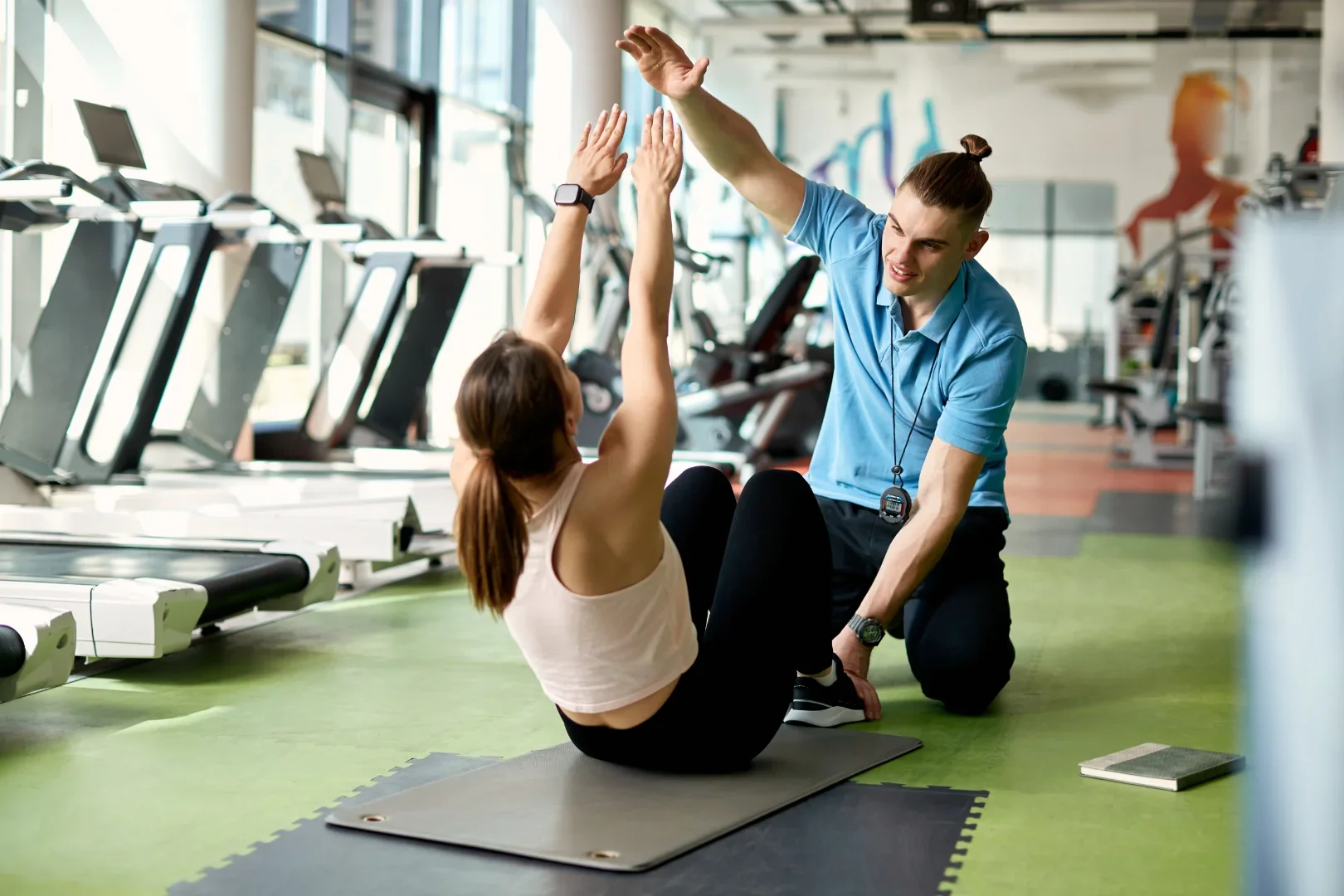
Becoming a better coach
One of the biggest lessons coaching female clients has taught me is that better coaching starts with better understanding.
Not assumptions.
Not stereotypes.
Not ego.
Understanding female clients doesn't mean treating women differently.
It means recognising when female-specific considerations may influence the person in front of you and having the knowledge and confidence to respond appropriately. That starts with education. By continually developing our understanding and confidently explaining the "why" behind our coaching decisions, we can better support our clients, manage expectations and help them achieve sustainable long-term progress.
As coaches, we owe it to our clients to continue developing our understanding throughout our careers. Every client, every conversation and every piece of continued education helps shape the coach we become.
If there's one thing I hope you take away from this article, it's this:
You don't need all the answers right now, just the desire to find them.
References
Colenso-Semple, L., Elliott-Sale, K. J., McNulty, K. L., et al. (2023). Current evidence shows no influence of women's menstrual cycle phase on acute strength performance or adaptations to resistance exercise training - PubMed
Corson, A. E., MacDonald, M., Tzaneva, V., Edwards, C. M., & Adamo, K. B. (2024). Breaking Boundaries: A Chronology with Future Directions of Women in Exercise Physiology Research. https://arxiv.org/abs/2404.08833