National Fitness Day: Are Awareness Days Still Useful?
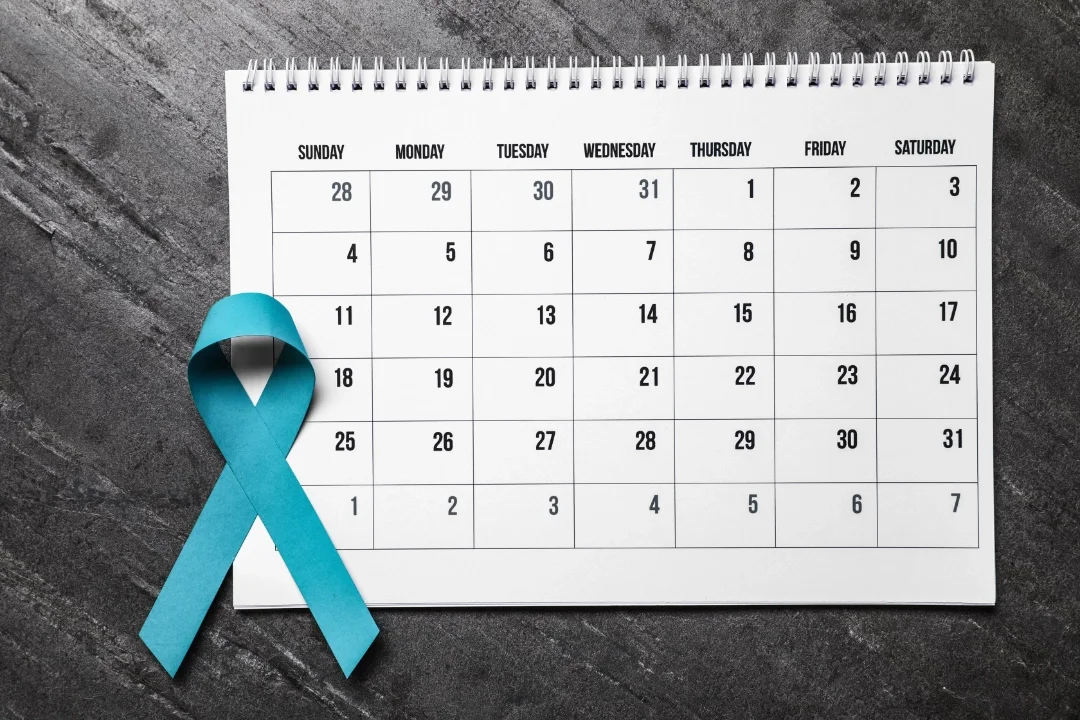
Awareness days are everywhere.
Every week, there seems to be another national day, themed week or social media campaign asking people to stop, reflect, post, share or take action.
Some are powerful. Some start important conversations. Others can feel like they appear on the content calendar, get posted about once, and disappear again until the following year. So when something like National Fitness Day comes around, it raises a bigger question:
Are awareness days actually useful, or are they just another social media post?
The answer depends on how you use them.
Why Awareness Days Still Matter
Awareness days exist to highlight important topics, spark conversation and encourage people to take action they might not have otherwise considered.
In the case of National Fitness Day, the message is about celebrating the role physical activity can play in helping people live healthier, happier and more active lives. That message is still important.
For many people, getting active is not as simple as “just join a gym” or “start exercising”. There can be real barriers in the way, including low confidence, lack of knowledge, previous negative experiences, health concerns, busy routines, cost, intimidation or simply not knowing where to start.
That is why awareness still has value.
A national campaign can create a moment where people are reminded that movement does not have to be extreme, complicated or reserved for people who already feel fit. It can be a walk, a gym session, a class, a stretch, a swim, a sports massage appointment, or a conversation with someone who understands how to help.
However, awareness on its own is not enough.
The Problem With Awareness Days
The risk with any awareness day is that it becomes performative.
A post goes out. A hashtag gets used. A graphic gets shared. Then nothing really changes.
That is where businesses and personal brands have to be careful. If National Fitness Day, or other awareness days, become just another branded post, we miss the point entirely. The real value comes when it encourages people to take a practical step, no matter how small.
That could mean trying a new activity, asking for advice, returning to exercise after time away, learning how to move safely, or realising that fitness support is available for people at every starting point.
Awareness should not be the end goal. It should be the starting point.
How to Actually Use Awareness Days to Your Advantage
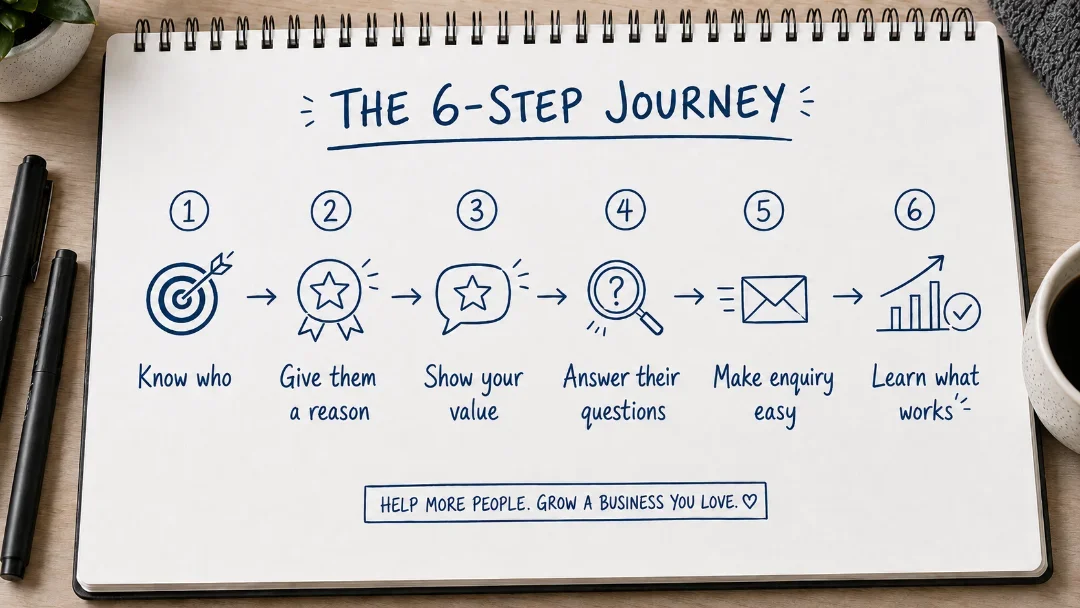
This is where awareness days become useful in a practical sense, especially for fitness professionals, students, or anyone building a presence in the industry. Instead of just posting about the day, think about how you can use it to create value.
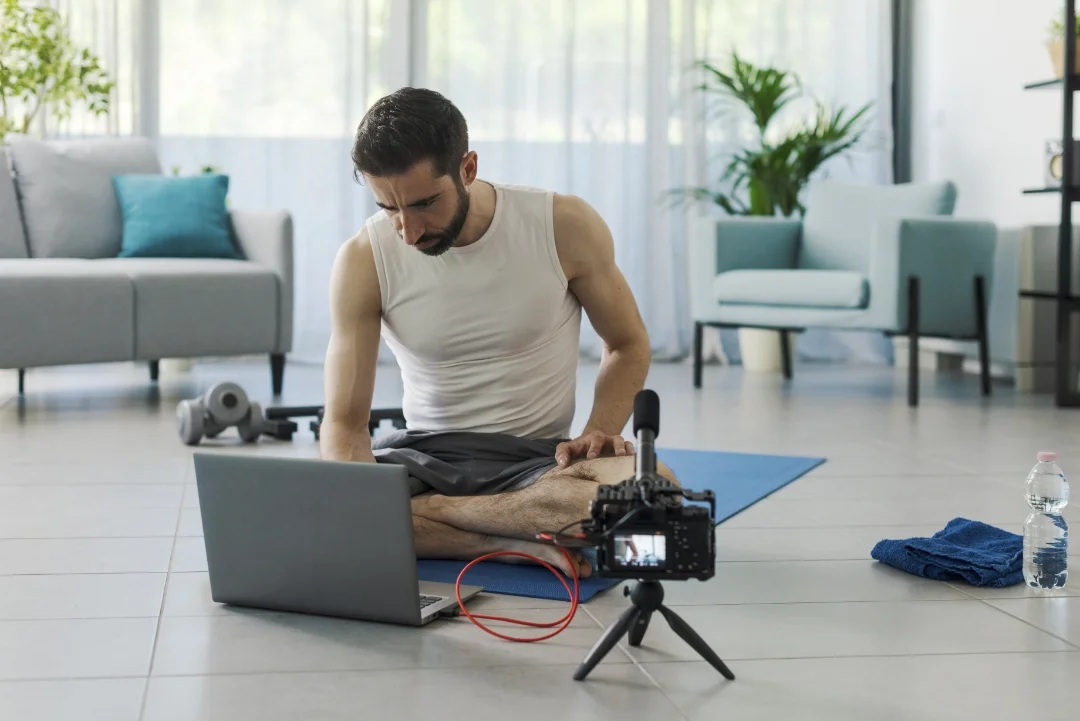
Here are a few simple ways:
Turn awareness into education
Don’t just say “Happy National Fitness Day”. Use it as a chance to teach something small and useful. For example: a simple movement tip, a myth-buster, or a beginner-friendly exercise explanation.Start conversations, not just content
Ask questions. Invite responses. For example: “What’s one thing that’s helped you stay active?” or “What’s stopping you from starting right now?” Awareness days are perfect for engagement.Make it relevant to your audience
Link the theme to real-life situations. If it’s National Fitness Day, talk about beginner confidence, returning to exercise, or making time for movement in a busy schedule.Offer a next step
Don’t let your post be the endpoint. Encourage action. That could be booking a session, trying a short workout, or simply taking a walk. Give people something achievable.Show the human side of fitness
Share real experiences, client journeys (where appropriate), or your own story. Awareness days work best when they feel relatable, not corporate.
Used well, awareness days become less about “posting for the sake of it” and more about building trust, education and connection.
Turning Awareness Into Action
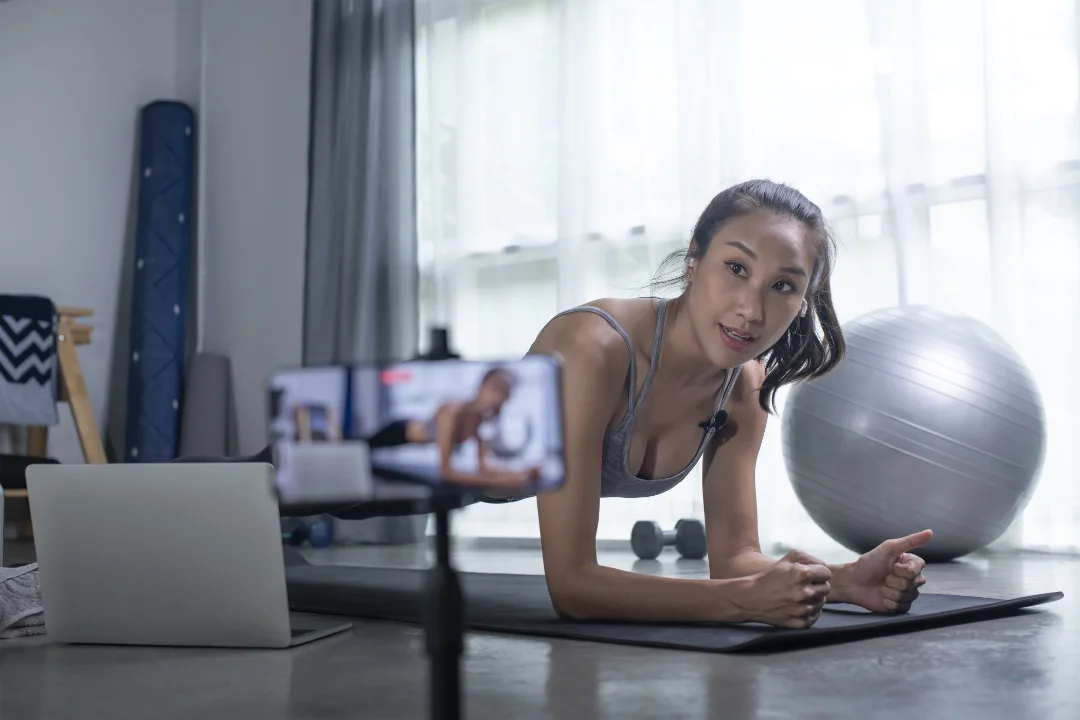
This is where fitness professionals can make a real difference.
Awareness days can start the conversation, but they do not support someone through their first gym session, help them rebuild confidence, support their mental health, or show them how to train safely with diabetes.
That is where personal trainers, gym instructors and sports massage therapists come in.
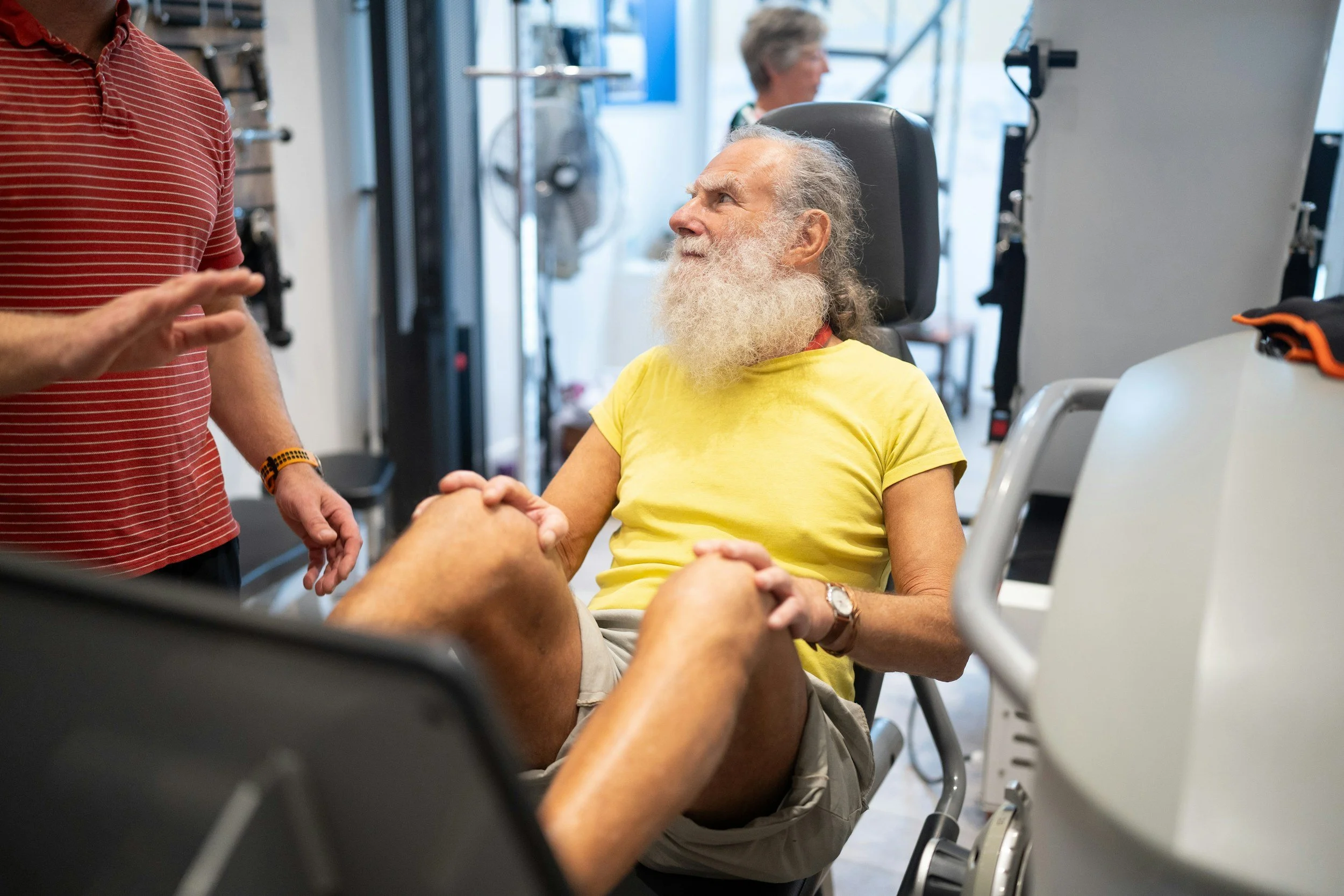
A good fitness professional should be able to take a broad message like “get active” and turn it into something practical for the person or people in front of them. That might mean adapting exercises, explaining technique, supporting recovery, building confidence, or helping someone understand that fitness does not have to look the same for everyone.
Used properly, awareness days can open the door, and in the hands of qualified professionals, they can help someone take the next step.
So, Are Awareness Days Still Useful?
Yes, but only if you use them properly.
National Fitness Day and other relevant awareness days are useful when it starts conversations, encourages people to try something new, and gives fitness professionals a reason to share something genuinely helpful.
It becomes less useful when it is treated as a one-day marketing opportunity with no thought behind it. The difference is in the follow-through.
If an awareness day helps someone ask a question, try a short workout, learn something useful, book a session, or feel less intimidated about getting started, then it has served a purpose. If it is only used as a graphic, a hashtag and a caption, it probably has not done much at all.
Awareness should not be the end goal. It should be the starting point.
Used well, awareness days can help fitness professionals educate, connect and build trust with the people they want to support. Used badly, they become just another post in the feed.
Thinking About a Career in Fitness?
If you want to build a career helping people feel more confident with movement, exercise and wellbeing, Fitasylum’s personal training, gym instructing and sports massage courses can help you take the next step.
Explore our courses and start your journey towards becoming a qualified fitness professional.