To be a PT, understand the person, not just the workout
When people picture the skills a personal trainer needs, exercise is usually the first thing that comes to mind.
Which exercises target which muscles? How many sets and reps should somebody complete? How should a programme progress?
That knowledge is essential. However, it's useless if you can't do one thing. Understand the person who will be following the programme.
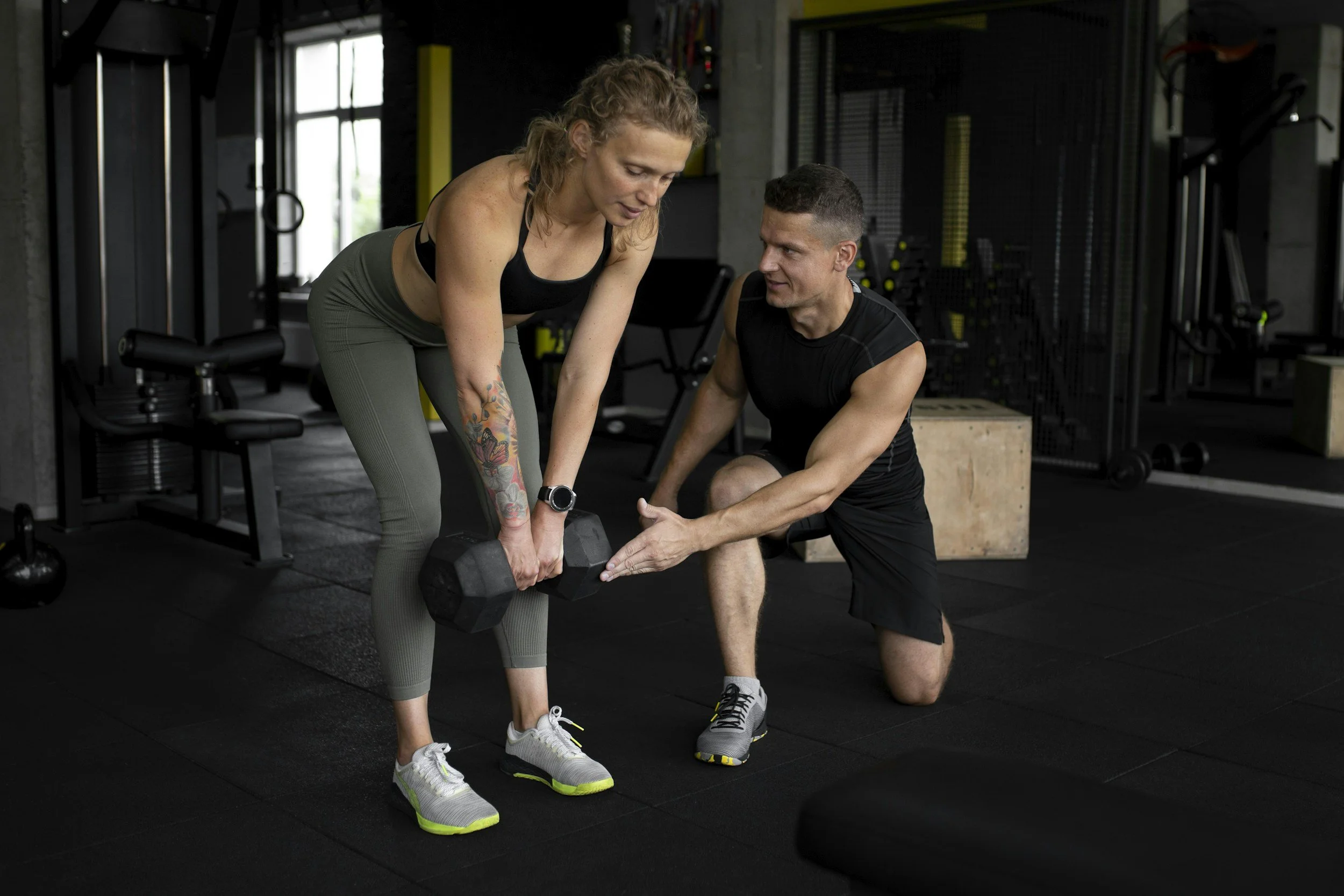
Two clients can arrive with exactly the same goal and need completely different support. They may have different exercise histories, health considerations, confidence levels, lifestyles and reasons for wanting to change.
If you don’t understand those things, you’re not really designing a programme for the client. You’re just choosing exercises.

The workout isn’t the starting point
Before a PT starts planning, they need to ask questions, listen and gather the right information.
That includes understanding:
the client’s goals, needs and current ability
their previous experience of exercise
relevant health and lifestyle information
what might prevent them from staying consistent
what motivates them
whether they are ready to exercise safely.
We teach this on day 1. It's the bare-bones basics, but it's why doing a proper client consultation shouldn't be seen as just paperwork to get through before the “real” work begins. It's the start of the real work. Without it, you wouldn't know what to do or how to meet your clients' needs.
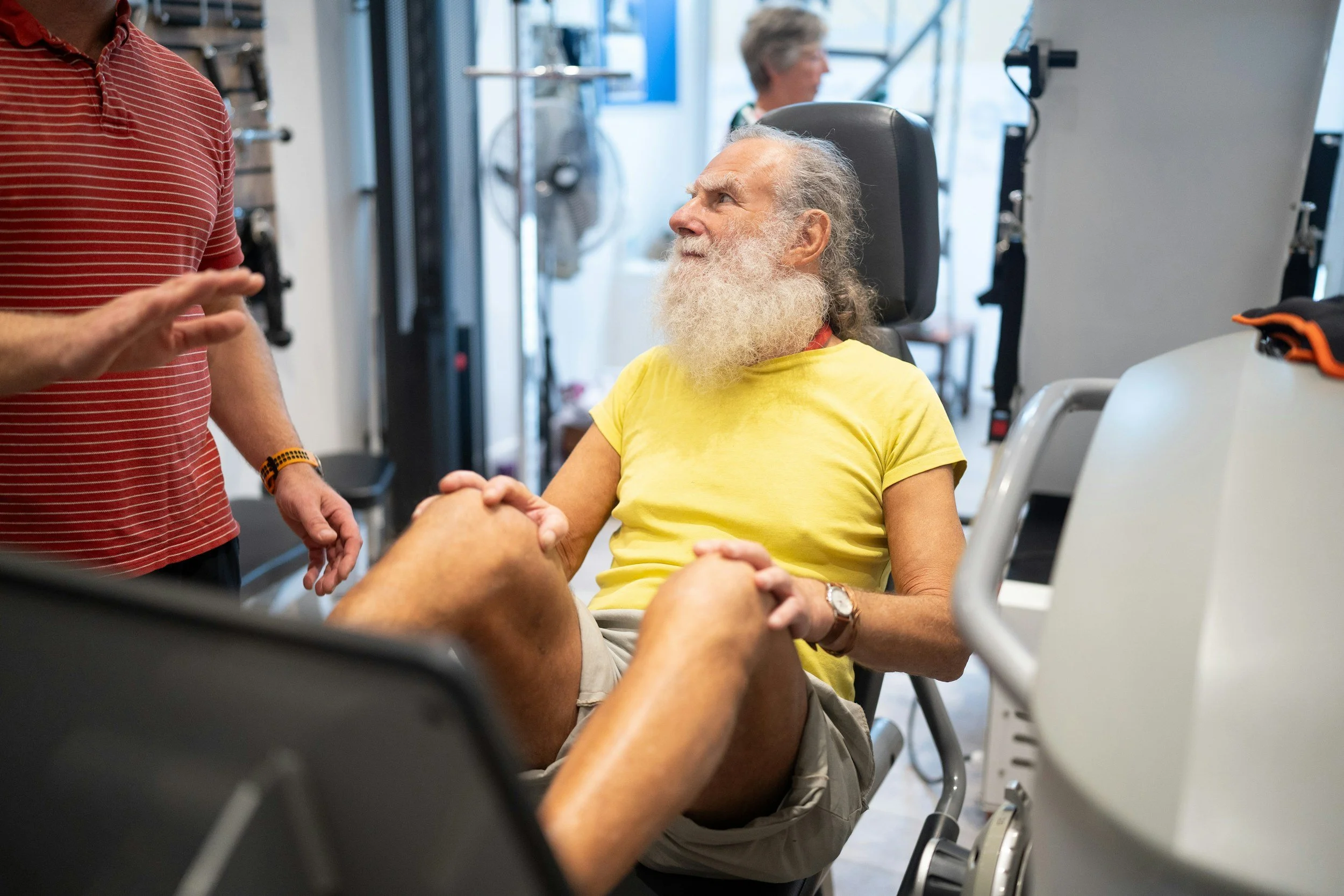
How a PT communicates during that conversation matters as well. A client is more likely to give useful, honest information when they feel listened to rather than judged or rushed.
Open questions are your best friend in consultations. You want to keep your new client talking, and you can't do that with closed questions. Asking follow-up questions, using active listening, and showing empathy can all help a PT understand what is actually happening in somebody’s life, without having to ask seemingly intrusive questions and making it seem like you're following a checklist.
That understanding becomes even more important when working with clients whose experiences and needs may differ from your own. Understanding your clients better can make you a better personal trainer, because good coaching starts with curiosity rather than assumptions.

Build something the client can actually follow
A technically impressive programme is not automatically the right programme.
The exercises still need to be appropriate for the client’s ability, goals and circumstances. The PT also needs to consider what the client can realistically sustain and do on their own.
Someone may understand exactly what they need to do but still struggle to do it consistently. Don't forget you're going to be assigning stuff for your client to do away from their session with you. You need to know if what you've assigned works with their confidence, comfort and stress levels, their working hours, caring responsibilities, support network or previous experiences of exercise. All of this can affect their progress.
Don't get caught up in it all, though. A PT doesn't need to solve every problem in the client’s life, but you do need to recognise the context in which the programme you design is being delivered.
A good PT should be able to:
identify barriers and motivators
agree realistic goals
explain why something has been included
adapt an exercise when needed
monitor the client’s response and progress
ask for feedback
change the plan when the information changes... and it will change even when you think it won't.
Sometimes the most effective adjustment isn't adding another exercise. It might be making the plan more manageable, changing how you measure progress, or helping the client recognise smaller wins before their big goal.
That is where behaviour change and adherence become part of personal training. You are not only helping somebody complete today’s session. You are helping them develop the confidence, understanding and habits needed to keep going.
Know where your role ends
A PT needs to know a lot about human health and anatomy, but understanding health does not mean acting like a healthcare professional.
You need to know enough to gather relevant, reliable information, carry out appropriate health screening, work within your competency and insurance, and adapt exercise safely. You also need to know enough to recognise when a client’s needs or circumstances require input from somebody with different qualifications.
A PT can:
discuss health and lifestyle factors that affect exercise;
use appropriate screening and risk-stratification processes;
explain exercise and fitness assessment findings;
adapt exercise within their knowledge and competence;
support realistic behaviour and lifestyle changes;
refer or signpost a client when necessary.
A PT cannot diagnose a condition, provide clinical treatment or present themselves as a replacement for a GP, physiotherapist, dietitian or mental-health professional.
Recognising that boundary is not a sign that the PT lacks knowledge. It is evidence that they understand their professional responsibility.
Sometimes the right decision is to adapt. Sometimes it is to pause. Sometimes it is to refer the client to an appropriately qualified professional before going any further.
Knowing the difference is part of being a good PT.

It starts before you qualify as a PT
These skills are not optional extras that a trainer is expected to pick up later.
The current Level 2 Fitness Coaching qualification establishes the foundations through client consultation, health screening, communication, basic behaviour-change support, exercise adaptation and recognising when somebody’s needs go beyond the fitness coach’s scope of practice.
The Level 3 Personal Training qualification then builds on this. Learners consider the biological, behavioural, psychological and social factors affecting health and wellbeing. They learn to interpret relevant assessment information, support lifestyle change and design progressive programmes around the individual client.
That does not turn a personal trainer into a clinician. It develops a fitness professional who can make informed decisions, communicate responsibly and understand when another professional needs to be involved.
Because becoming a PT is not simply about learning more exercises.
It is learning how to decide which exercise is appropriate, why it is appropriate and whether exercise is the right next step at all.
You might know how to write a workout. But would you know when to change it, when to pause it and when somebody else needs to be involved?
That is the bigger skill.